
Updated Nov. 6, 2026
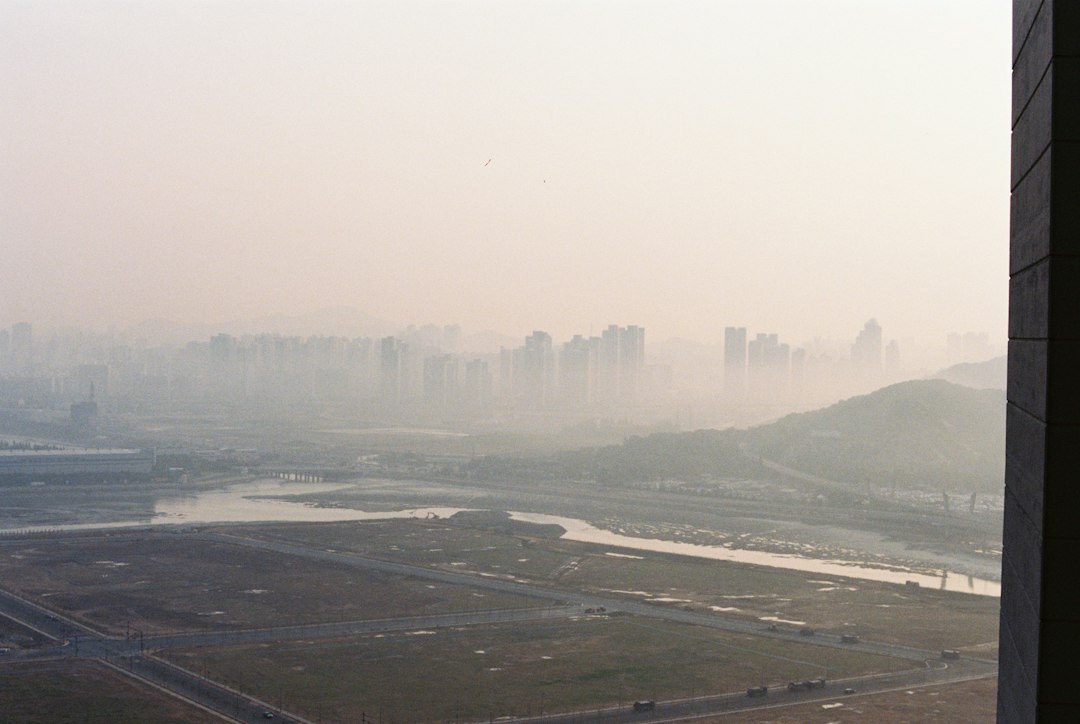
The fastest way to find out what the air quality in Detroit is today is to enter a Detroit ZIP code, such as 48226 for downtown, on AirNow.gov, the federal air quality site, or to open the state’s MiAir dashboard from Michigan’s Department of Environment, Great Lakes, and Energy (EGLE). A reading of 0 to 50 is good. Once the Air Quality Index (AQI) passes 100, people with asthma, older adults and children should start cutting back on hard outdoor activity.
Bad-air days in Detroit almost always trace back to one of three things: summer ozone, wildfire smoke or winter temperature inversions. This guide shows you where to get a live reading, how to read it, why Detroit’s air gets bad and what to do until it clears.
Jump to: Check it now · AQI colors · Why it’s bad · Why apps disagree · What to do · FAQ
How to check the air quality in Detroit right now
Use an official source first, then a neighborhood-level map if you want more detail.
- AirNow.gov: Type in your ZIP code. You get the current AQI, the main pollutant and the day’s forecast, all based on regulatory-grade monitors.
- EGLE’s MiAir dashboard: The state’s map of its monitoring stations, including sites inside Detroit. It’s the best place to see trends across southeast Michigan.
- EnviroFlash alerts: Sign up once at enviroflash.info and you’ll get an email when EGLE calls an Air Quality Alert for your area, so you don’t have to remember to check.
- City of Detroit Air Quality Center: The city’s environmental division runs its own monitors, including low-cost, solar-powered sensors placed where it needs more data, and points residents to JustAir, a dashboard that pulls in Wayne County and community monitors.
- PurpleAir map: Privately owned sensors give block-by-block readings. They’re useful for spotting a local hot spot, but EGLE cautions that nearby activity can skew them.
What the AQI numbers and colors mean
The AQI turns pollution levels into one number from 0 to 500. The EPA calculates it for five pollutants: ground-level ozone, particle pollution (PM2.5 and PM10), carbon monoxide, sulfur dioxide and nitrogen dioxide. A value of 100 roughly matches the short-term national health standard, so anything above 100 means the air is worse than that standard. In Detroit, the number that matters is almost always PM2.5 or ozone.
| AQI | Color and category | What it means for you |
|---|---|---|
| 0-50 | Green: Good | Little or no risk. Enjoy the outdoors. |
| 51-100 | Yellow: Moderate | Fine for most people. Unusually sensitive people may want to ease up on long workouts. |
| 101-150 | Orange: Unhealthy for Sensitive Groups | People with asthma or heart or lung disease, children and older adults should limit long or hard outdoor exertion. |
| 151-200 | Red: Unhealthy | Some healthy people may feel effects. Sensitive groups face more serious risk. |
| 201-300 | Purple: Very Unhealthy | Health alert. Everyone’s risk goes up. |
| 301+ | Maroon: Hazardous | Emergency conditions. Everyone is more likely to be affected. |
Why is Detroit’s air quality bad today? The three usual culprits
Detroit carries a baseline of pollution from traffic, industry and its long manufacturing history (our explainer on what happened to Detroit covers that industrial past). WDIV has reported that Southwest Detroit’s 48217 ZIP code alone is home to more than 40 major and minor polluters. But when the AQI suddenly spikes, weather is usually the trigger. Check the main pollutant on AirNow to tell which of these you’re dealing with.
Hot, sunny days: ground-level ozone
Ozone isn’t released directly. It forms when emissions from vehicles, industry and gasoline vapors cook in strong sunlight and heat. That’s why ozone problems show up in the warmer months, often peaking in the afternoon and easing after sunset.
Hazy skies: wildfire smoke
Smoke from Canadian wildfires can drift hundreds of miles and flood Detroit with fine particles. EGLE says smoke drove PM2.5 up in the summers of 2023 and 2025. On July 16, 2026, WDIV reported Detroit’s AQI stayed above 500 for most of the day. If the sky looks milky and the sun turns orange, smoke is the likely cause.
Cold, still days: winter temperature inversions
This is the one people don’t expect. Normally, warm air near the ground rises and carries pollution away. During an inversion, a layer of warmer air sits on top like a lid and traps colder, dirtier air at street level. EGLE meteorologists have said PM2.5 readings often run highest after snow builds up, then temperatures rise and winds die down. Home heating and idling cars add to the mix.
On Feb. 16, 2026, for example, EGLE issued an advisory for Wayne, Oakland, Macomb, Washtenaw, Livingston, Monroe and St. Clair counties after stagnant air and snowmelt pushed PM2.5 up. AirNow showed Detroit at 153, in the red range, that afternoon. With heating season under way, expect a few days like this between now and spring.
Why your weather app and the official reading don’t match
It’s common to see one number on your phone and a different one on AirNow. There are three main reasons.
- Different equipment. AirNow and MiAir rely on regulatory monitors. Many apps blend in low-cost sensors, which can read high or low depending on humidity and what’s nearby.
- Different locations. A sensor next to a busy freeway or a backyard grill will read higher than a monitor a few miles away.
- Different scales and averaging. Some global apps use their own scale or a shorter averaging window, so the same air can produce a different number.
Headlines calling Detroit one of the “most polluted cities in the world” usually come from IQAir, a private site that ranks major cities in real time by blending official monitors with sensor data. Those rankings are a snapshot of one moment, not an annual grade, and the numbers can differ sharply from AirNow’s. During the Feb. 16, 2026, inversion, for example, AirNow showed Detroit at 153 while IQAir showed 114, enough to rank it 23rd worst in the world that afternoon, according to Planet Detroit.
For decisions like canceling a run or a school recess, go with AirNow or EGLE. Use sensor maps to see whether your block is worse than the regional reading.
What to do on a bad-air day, and when it will improve
- Orange (101-150): If you’re in a sensitive group, move hard exercise indoors or shorten it. Keep rescue inhalers handy.
- Red or worse (151+): Everyone should cut back on strenuous outdoor activity. Keep windows closed and run a portable air cleaner or your furnace or HVAC fan with a good filter if you have one.
- Ozone days: Plan outdoor workouts for the morning, before ozone builds.
- Smoke or inversion days: Time of day matters less, because fine particles can linger around the clock.
When will Detroit’s air quality improve? Usually when the weather changes. A cold front, steady wind or rain clears out ozone, smoke and trapped winter air. In the February 2026 episode, a passing front improved conditions within a day. Check the next-day forecast on AirNow or watch for EGLE alerts to see whether tomorrow looks better. If you have symptoms such as chest tightness or trouble breathing, talk to a health care provider. This guide isn’t medical advice.
Is Detroit’s air quality bad overall?
By national standards, yes. The American Lung Association’s 2026 “State of the Air” report, based on 2022-24 data, gave Detroit an F again, as reported by Planet Detroit. The Detroit-Warren-Ann Arbor area ranked 11th worst nationally for short-term particle pollution, ninth for year-round particle pollution and 39th for ozone. Most days are still green or yellow, though, which is why checking the daily number matters more than the annual ranking. For a broader look at living in or visiting the city, see our guide to whether Detroit is safe.
Frequently asked questions
What is the air quality in Detroit today?
It changes hour to hour, so check a live source: enter a Detroit ZIP code on AirNow.gov or open EGLE’s MiAir dashboard. Both show the current AQI, its color category and the main pollutant.
Is it safe to run outside in Detroit today?
If the AQI is green or yellow, most people can run as usual. At orange, people with asthma or heart or lung conditions should go shorter, slower or indoors. At red or above, everyone should skip hard outdoor workouts.
Does Detroit get air quality alerts in winter?
Yes. Ozone is mainly a warm-weather problem, but PM2.5 can climb any time of year. EGLE forecasts air quality year-round and has called winter alerts when inversions trap particles near the ground, including in February 2026.
Where can I see a Detroit air quality map?
AirNow’s interactive map and EGLE’s MiAir dashboard show official monitors. For neighborhood detail, try JustAir or the PurpleAir map, keeping in mind that low-cost sensors are less precise.
How do I get notified when Detroit’s air is bad?
Sign up for EnviroFlash with your ZIP code. You’ll get an email when an Air Quality Alert is issued for your area.
The bottom line
Detroit’s air is fine on most days, but it can turn unhealthy quickly in summer heat, during wildfire smoke events and on still winter days when an inversion traps pollution. Bookmark AirNow or MiAir, set up an EnviroFlash alert and let the color, not the skyline, decide your outdoor plans. If you’re planning a visit, our list of things to do in Detroit includes plenty of indoor options for a bad-air day.
Sources: AirNow (EPA) AQI Basics; Michigan EGLE newsroom (March 20 and May 5, 2026); City of Detroit Air Quality Center; Planet Detroit (Feb. 16 and April 22, 2026); Great Lakes Now/Planet Detroit (Jan. 12, 2024); WDIV ClickOnDetroit (July 16, 2026).
Leave a Reply