
What happened to Detroit? In short, the city lost most of its jobs, residents and tax base over about 60 years, starting in the 1950s. Auto work moved out, families moved to the suburbs, segregation and the 1967 Uprising deepened the divide, and by 2013 Detroit was too broke to pay its bills and filed the largest municipal bankruptcy in U.S. history. The less-told part of the story is what came next: the city left bankruptcy in 2014, won back control of its finances in 2018, and in 2026 the Census Bureau reported a third straight year of population growth.
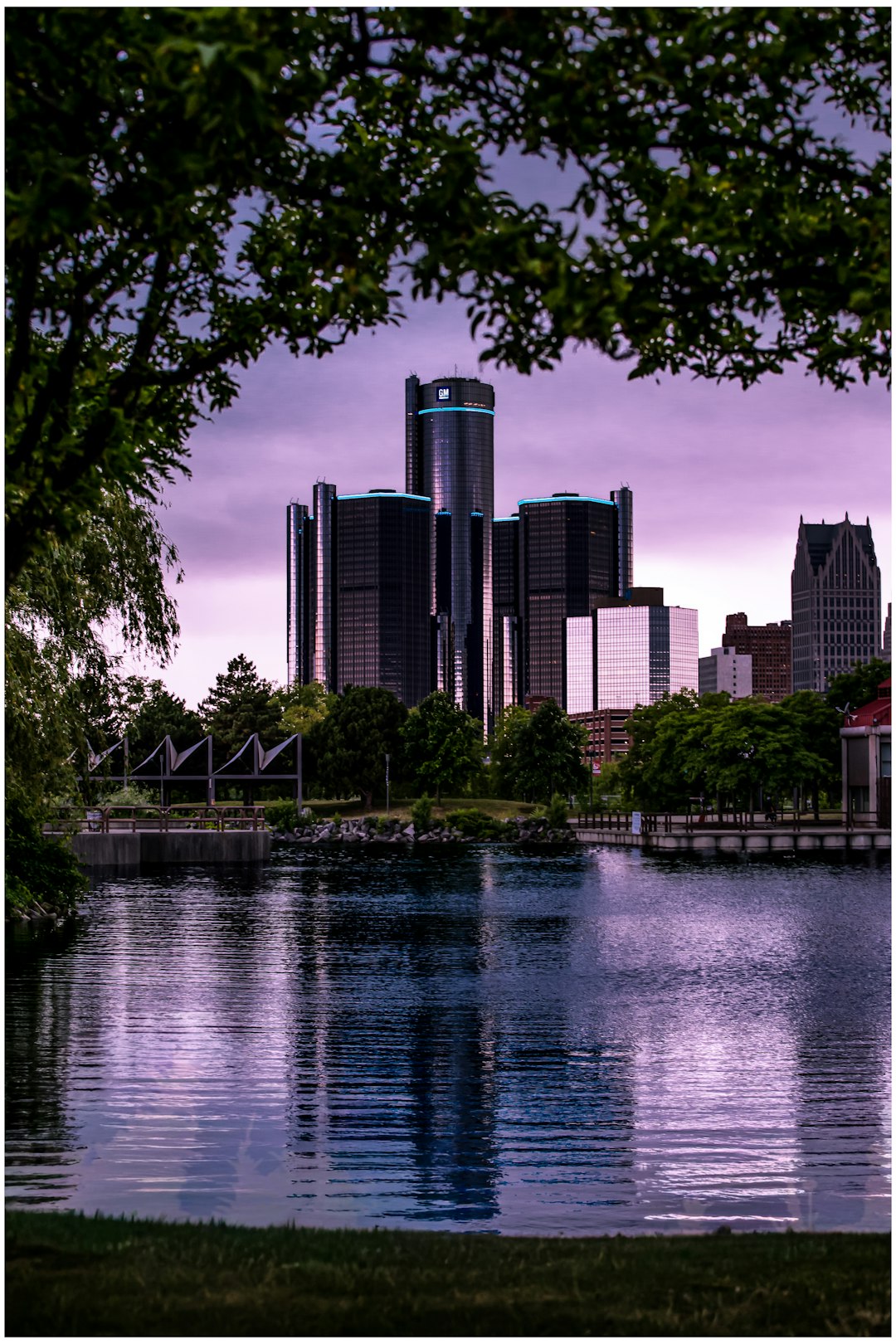
If you have ever wondered what happened to Detroit, Michigan, here is the decline, the bankruptcy and the revival in order, with the numbers behind each step.
Jump to: Population timeline | Why Detroit declined | The 2013 bankruptcy | Is Detroit coming back? | Myths vs. facts | FAQ
Detroit’s rise and fall at a glance
Detroit’s population peaked at about 1.85 million in the 1950 census, when it was one of the largest cities in the country. Every census for the next 70 years counted fewer people.
| Year | Detroit population | What was happening |
|---|---|---|
| 1950 | 1,849,568 | All-time peak; auto plants inside city limits |
| 1960 | 1,670,144 | Plants and families move to the suburbs |
| 1970 | 1,511,482 | After the 1967 Uprising, white flight speeds up |
| 1980 | 1,203,339 | Auto industry downturns and layoffs |
| 1990 | 1,027,974 | Vacancy and disinvestment spread |
| 2000 | 951,270 | Falls below 1 million |
| 2010 | 713,777 | Foreclosure crisis; a 25% drop in one decade |
| 2020 | 639,111 | Losses slow; bankruptcy is behind the city |
| 2025 (estimate) | About 649,000 | Third straight year of growth |
For the story of how the city began in 1701, see our explainer on who founded Detroit.
Why did Detroit decline?
There was no single cause. Detroit declined because several forces hit at once and fed each other: jobs left, people with means followed them, and the people who stayed were left with a shrinking tax base and growing costs.
- Jobs moved out of the city. After World War II, automakers and suppliers built new plants in the suburbs and beyond. The Detroit Historical Society notes that the city’s east side alone lost more than 70,000 jobs in the decade after the war, and that Detroit lost almost 20% of its population between 1950 and 1960.
- Suburbs and freeways made leaving easy. New highways and cheap suburban housing let workers live outside the city and drive in, taking their property and income taxes with them.
- Segregation shaped who could leave. Restrictive covenants and redlining kept Black families out of many neighborhoods and suburbs, while white families left in large numbers. Highway projects such as I-375 also cut through Black neighborhoods.
- The 1967 Uprising deepened the split. It began at 3:15 a.m. on July 23, 1967, after a police raid on an unlicensed bar at 12th Street and Clairmount. Over five days, 43 people died, more than 7,000 were arrested and nearly 1,700 fires burned. The Detroit Historical Society ties it to decades of institutional racism, segregation, heavy-handed policing and lost jobs. White flight doubled that year to more than 40,000 people and doubled again in 1968.
- The auto industry kept shrinking. Oil shocks, foreign competition and plant closings in later decades cut deeper into the city’s job base.
- The 2000s foreclosure crisis finished the job. Subprime loans, mortgage foreclosures and tax foreclosures emptied whole blocks. Between 2000 and 2010, Detroit lost a quarter of its residents.
Why is Detroit abandoned in places? Fewer people means empty houses. A city built for nearly 2 million residents was home to about 700,000 by 2010, and a 2014 blight task force counted 84,641 blighted or vacant properties. Those empty lots and burned-out homes became the images most people outside Detroit still picture.
The 2013 Detroit bankruptcy, explained
Detroit filed for Chapter 9 bankruptcy on July 18, 2013, with roughly $18 billion in debt. It remains the largest municipal bankruptcy filing in U.S. history. Decades of population loss had left the city with pension and retiree health costs, bond debt and basic services it could no longer pay for.
| Date | What happened |
|---|---|
| March 2013 | Gov. Rick Snyder appoints Kevyn Orr as Detroit’s emergency manager |
| July 18, 2013 | Detroit files for Chapter 9 bankruptcy |
| Dec. 3, 2013 | U.S. Bankruptcy Judge Steven Rhodes rules the city eligible |
| Nov. 7, 2014 | Judge Rhodes confirms the city’s plan of adjustment |
| Dec. 10, 2014 | Detroit exits bankruptcy, 17 months after filing |
The deal that made the exit possible was the Grand Bargain. Foundations, Detroit Institute of Arts donors and the State of Michigan put up $816 million, paid over 20 years into the city’s two pension systems. In return, the DIA’s collection could not be sold to pay creditors, and the museum was moved into an independent charitable trust. According to the Detroit Historical Society, the goal was to protect the art, preserve pensions and satisfy creditors.
It was not painless. Retirees, who were first threatened with cuts of up to 50%, ended up with a 4.5% pension cut and no cost-of-living increases, and about 21,000 retirees saw their pensions reduced, Michigan Advance reported. Creditors absorbed losses estimated at about $7 billion.
Is Detroit coming back?
By most of the measures behind its decline, yes, Detroit is recovering, though from a much lower starting point. The key milestones:
- Self-government restored (2018): On April 30, 2018, the state’s Financial Review Commission voted to release the city from active oversight after three straight years of audited balanced budgets, the Associated Press reported.
- Better credit: Moody’s returned Detroit to investment grade in 2024, the first time in 15 years. In May 2026, Moody’s raised the city to A3, its first “A” rating since 1999, and S&P raised it to BBB+.
- People are moving back: Census estimates showed Detroit’s first population gain since 1957 in 2023. In May 2026, the bureau reported a third straight year of growth, to about 649,000 residents, with roughly 15,000 gained over three years.
- Landmarks are reopening: Ford bought the long-empty Michigan Central Station in 2018 and reopened it on June 6, 2024, after a major restoration.
Big challenges remain, including poverty, vacant land, schools and car insurance costs, and the comeback is uneven across neighborhoods. For a look at who leads the city today, read about who the mayor of Detroit is in 2026. To see this history up close, the Detroit Historical Museum and the DIA are two of the stops in our guide to the best museums in Detroit.
How to check Detroit’s latest numbers yourself
- Population: Look up “Detroit city, Michigan” on the U.S. Census Bureau’s QuickFacts page. New city estimates usually come out each spring.
- City finances and credit ratings: Check the news releases on the City of Detroit’s official website, detroitmi.gov, where rating changes and budget results are announced.
- History and context: Search the Detroit Historical Society’s online Encyclopedia of Detroit for entries on the 1967 Uprising, the Grand Bargain and individual neighborhoods.
Myths vs. facts about Detroit’s decline
- Myth: The 1967 riot caused Detroit’s decline. Fact: Population and jobs were already falling in the 1950s. The Uprising sped up a trend that had started more than a decade earlier.
- Myth: Detroit went bankrupt because the auto industry collapsed. Fact: The auto industry’s changes were one cause, but the bankruptcy came from 60 years of shrinking population, revenue and services.
- Myth: Detroit is still emptying out. Fact: Census estimates show three straight years of growth through 2025.
There is much more to Detroit than its decline. For music, cars and sports, see what Detroit is known for.
Frequently asked questions
When did Detroit start to decline?
In the 1950s. Detroit’s population peaked in the 1950 census at 1,849,568 and fell in every census after that through 2020. Job losses began even earlier, in the years right after World War II.
Is Detroit still losing population?
No. Census Bureau estimates show growth in 2023, 2024 and 2025. The 2025 estimate put Detroit at about 649,000 residents, up roughly 15,000 over three years, though still far below its 1950 peak.
How much debt did Detroit have when it went bankrupt?
About $18 billion, according to emergency manager Kevyn Orr. The bankruptcy court later ruled the city eligible on a debt of about $18.5 billion, and creditors absorbed an estimated $7 billion in losses.
Did Detroit sell art from the DIA during bankruptcy?
No. The $816 million Grand Bargain protected the Detroit Institute of Arts collection from sale, moved the museum into an independent charitable trust and used the money to soften pension cuts.
The bottom line
Detroit didn’t collapse overnight. It lost jobs, then people, then the tax money to run a city built for twice its population, and the 2013 bankruptcy was the bill coming due. The recovery since 2014 is real but still young. If you want to understand modern Detroit, start with this timeline, then look at the neighborhoods and new residents writing the next chapter.
Sources: U.S. Census Bureau decennial counts and population estimates (as reported by CBS Detroit, May 14, 2026); Detroit Historical Society Encyclopedia of Detroit (Uprising of 1967; Grand Bargain); Michigan Advance (July 18, 2023); Associated Press via WKAR (April 30, 2018); ClickOnDetroit (May 27, 2026); BridgeDetroit (Aug. 24, 2021).
Last updated: Nov. 2, 2026. Population and credit figures will be refreshed when new Census estimates are released.
Leave a Reply