
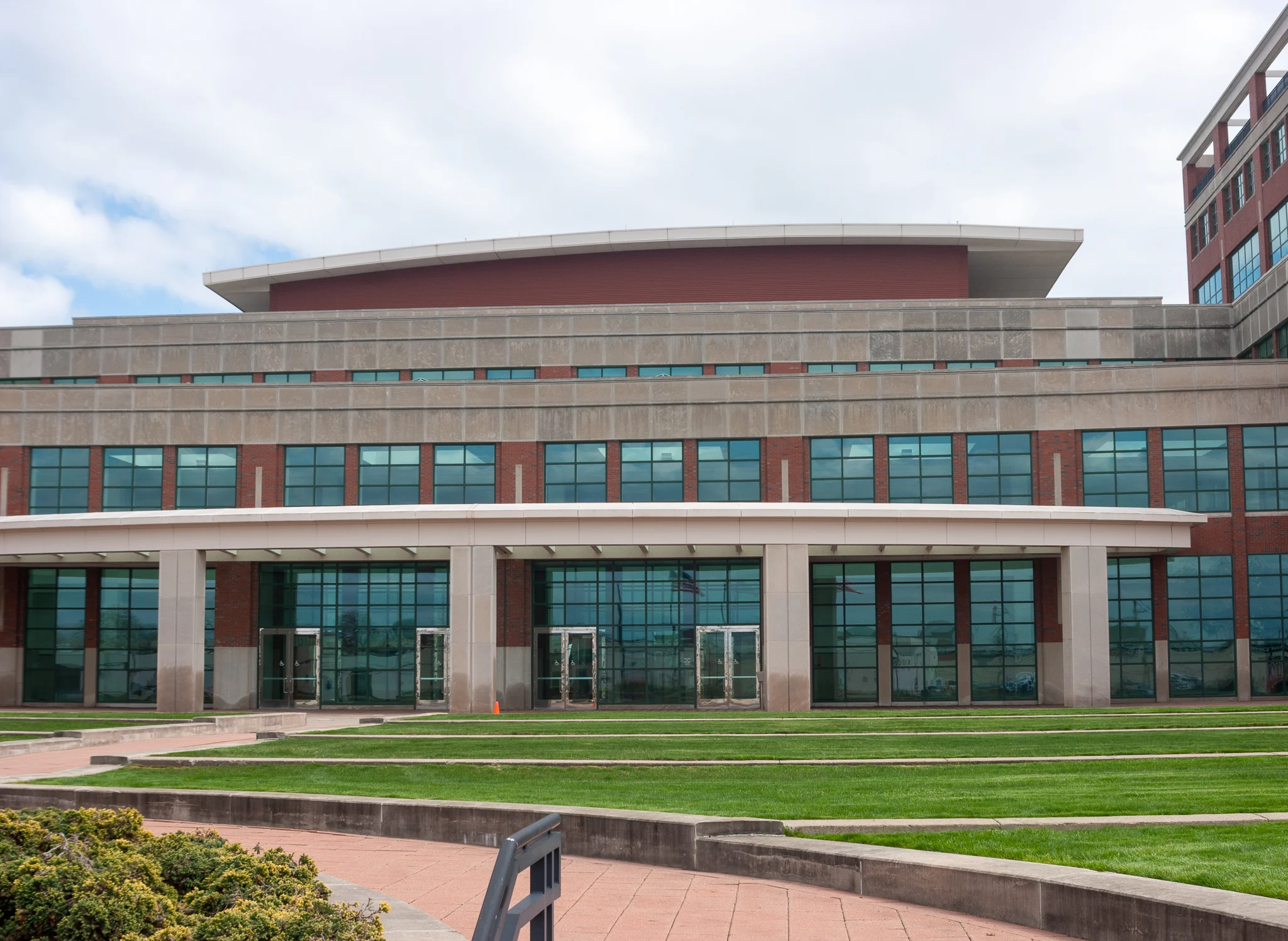
Pensole Lewis College of Business and Design is one of the newest and most unusual entries on any list of Detroit universities, because it’s really two stories in one: a nearly century-old Black business college that closed in 2013, and a brand-new design school that reopened on its legacy in 2022. Understanding PLC Detroit means understanding both halves, and being precise about where the historic story ends and the current institution begins.
Today the college trains students in footwear, apparel, and color design through brand-sponsored studios on the Detroit riverfront, backed by partners like Nike, Target, and New Balance. It also carries an important caveat prospective students need to know upfront: its degree programs are not currently accredited by any accreditor recognized by the U.S. Department of Education. Here’s what PLC Detroit actually offers among the universities in Detroit, what it costs, and what to verify before enrolling.
Table of Contents
What Makes Pensole Lewis College Different?
PLC Detroit builds its entire model around industry-linked, learn-by-doing design education rather than a conventional academic path. Students work directly with corporate design teams from companies like Nike, New Balance, and Target through brand-sponsored Masterclasses, building portfolios and professional networks alongside their coursework in footwear, apparel, color strategy, and product design.
That structure, degree-level design training built in direct partnership with major consumer brands, is genuinely uncommon among Detroit’s universities, and it’s the main reason PLC draws national design-industry attention despite being a very young institution in its current form.
Lewis College of Business: Historical Roots
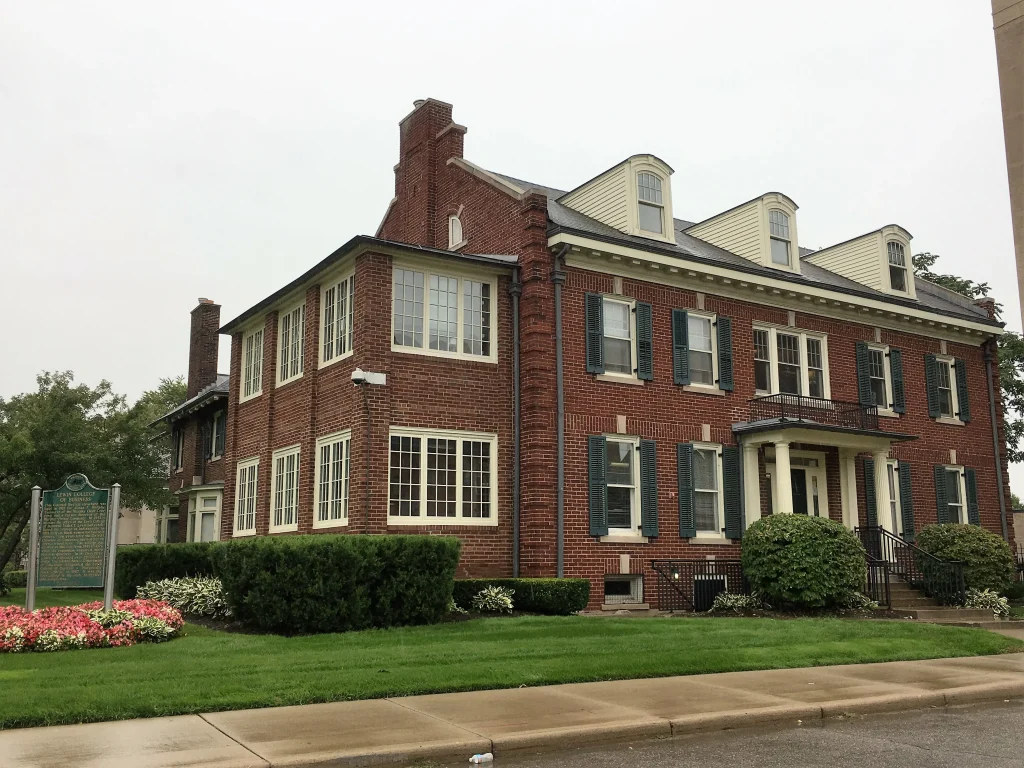
The story starts in 1928, when Dr. Violet T. Lewis founded the Lewis Business College to train students, particularly Black women who were often denied admission to other schools at the time, for professional office and business careers. The school relocated to Detroit in 1939 and went on to play a significant role in Black education and economic opportunity in the city, according to Michigan state and Michigan Public reporting on its history.
In 1987, the institution received historically Black college designation. It closed in 2013. That closure, and the roughly eight years before the institution reopened in a new form, is an important part of the story, and claims about the college’s historic hiring pipelines or superlatives about its legacy should be treated carefully and attributed to specific sources rather than repeated as settled fact.
Reopening and HBCU Context
In December 2021, Michigan Governor Gretchen Whitmer signed legislation, House Bill 5447, intended to facilitate the reopening of the former Lewis College of Business. Dr. D’Wayne Edwards, a former Nike design director, became the institution’s controlling stakeholder and relaunched it in March 2022 as Pensole Lewis College of Business and Design, adding a design-education focus to the original business-college legacy.
Here’s where precision matters most. PLC Detroit markets itself as “the Nation’s Only Design-Focused HBCU” and “The HBCU By The River,” language tied to the historic 1987 HBCU designation of Lewis College of Business and the 2021 state legislation supporting its reopening. But PLC’s own published materials also carry an explicit disclaimer: its Associate of Applied Science degree programs are not currently accredited by any national or regional accrediting agency recognized by the U.S. Department of Education. State legislative support for reopening a historic institution, a historic HBCU designation held by a predecessor college, and current federal accreditation recognition are three separate things, and readers considering PLC should verify each one directly with the college and with state and federal sources before treating any single label as a complete picture of the school’s current status.
Programs and Learning Model
PLC Detroit currently offers three two-year degree tracks and a rotating slate of shorter brand-sponsored programs.
Associate of Applied Science Degrees
Students can pursue an AAS in Footwear Design, an AAS in Apparel Design, or an AAS in Color Strategy Design, sometimes referred to collectively as Product Creation degrees with a concentration in apparel, color, or footwear. All three share a common foundation curriculum, including courses in design visualization, branding principles, and, as of the 2026 curriculum, a dedicated course on AI design and ethics.
General Education Pass-Through
Because PLC’s own design-studio instruction isn’t separately accredited, enrolled AAS students complete seven general-education courses virtually through Wayne County Community College District, an accredited partner institution, covering subjects like English, speech, sociology, and African American art history.
Masterclasses and Certificates
Beyond the two-year degrees, PLC runs roughly four brand-sponsored Masterclass sessions a year, per its official FAQ, typically six to twelve weeks long, plus occasional hybrid or virtual certificate programs. Recent and upcoming sessions have been built around partnerships with Nike, Target, VF Corporation, New Balance, Logitech, and Foot Locker, among others.
What this means for you: before enrolling in any PLC Detroit program, confirm directly with the college whether your specific track currently holds any accreditation, how credits transfer to other institutions, and what credential you’ll actually hold at completion. The general-education courses taken through Wayne County Community College District are accredited; PLC’s own design-studio coursework, as of this writing, is not.
Industry Partnerships and Career Preparation
PLC’s brand relationships are central to how it operates, not a peripheral feature. Founding partners include the Gilbert Family Foundation and Target, part of a broader philanthropic commitment to Detroit. Strategic partners include Foot Locker, Hanes, MillerKnoll, New Balance, DSW, and Logitech, while program partners spanning individual Masterclasses or design challenges include Nike, Jordan, Puma, Carhartt, Adidas, ASICS, Vans, Levi’s, Converse, and several others. These named partnerships are drawn directly from PLC’s own current published materials; confirm the scope and current status of any specific partnership before citing it elsewhere.
Location, Facilities, and Student Experience
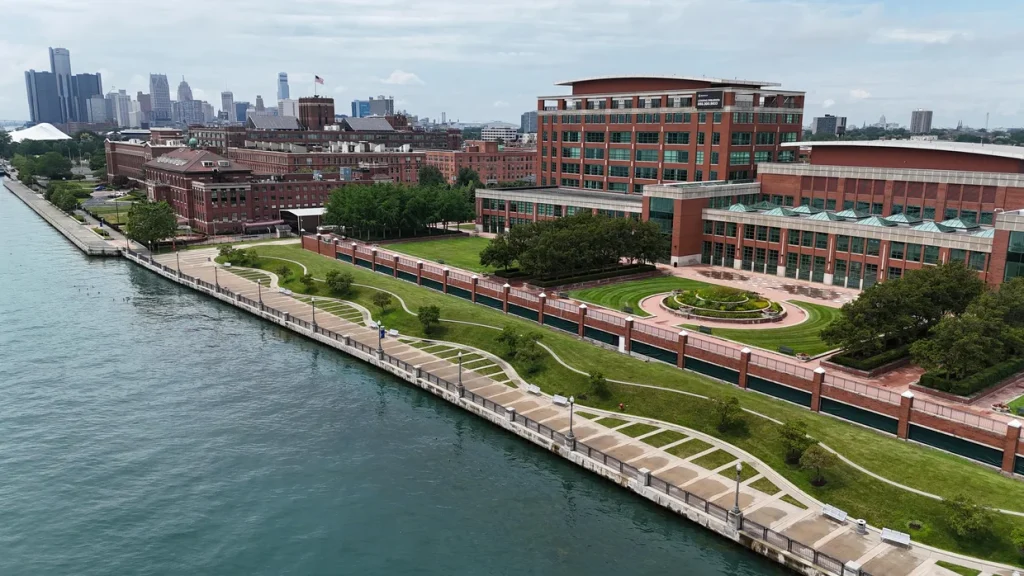
PLC Detroit initially launched in 2022 inside the College for Creative Studies’ Taubman Center for Design Education. That’s no longer where classes are held. The college’s current facility, listed on its buildings and facilities page, is The ICON, a roughly 420,000-square-foot riverfront building at 200 Walker Street, Detroit, a location PLC brands as “The HBCU By The River.” Degree-program students live in apartment housing in Detroit’s historic West Village neighborhood, a short distance from the Walker Street campus. For a sense of the riverfront and surrounding neighborhoods, see our guides on things to do in Detroit and how safe Detroit is.
Tuition, Scholarships, and Applying
For the 2026-27 academic year, PLC lists total annual AAS cost at $21,080 for a Michigan resident, broken down across several components.
| 2026–27 AAS Cost Component | Annual Amount |
| Design-studio tuition (15 credits) | $9,750 |
| General-education pass-through (WCCCD) | $1,820 |
| Technology and software fee | $6,510 |
| Color and materials consumables fee | $2,400 |
| Student services and facilities fee | $600 |
| Total | $21,080 |
That number comes with a significant caveat in PLC’s favor: the college states that, due to recently secured philanthropic and corporate funding, it now offers the PLC Detroit Design Scholarship to all students admitted and enrolled in the two-year AAS program, effectively covering the listed cost for every current degree student. Student housing in West Village runs an additional $7,520 a year, including utilities and internet. For the short-term Masterclasses, tuition and housing are fully funded by corporate sponsors, with students covering only their own dining costs.
Applications for the Class of 2029, PLC’s third two-year AAS cohort, opened August 1, 2026 and close January 31, 2027, with a $35 application fee that can be waived through a code inside the application itself. As of this writing, PLC does not accept international student applications.
What this means for you: the $21,080 sticker figure is useful for understanding what the program actually costs to run, but current admitted AAS students aren’t expected to pay it directly, given the universal scholarship. Confirm the scholarship’s current terms and renewal requirements directly with PLC before enrolling, since funded programs like this one can change based on available philanthropic support.
Who Should Consider PLC?
Good for: learners seeking applied product-creation and design education, provided they first verify the current credential type, authorization status, cost, and program details directly with the college.
PLC is not a fit for students seeking a traditional, broadly accredited undergraduate degree, a large campus community, or international study options, since the college does not currently accept international applicants. See Detroit Weekly News’ guide to leading universities in Detroit for how PLC compares to the city’s more established design program at College for Creative Studies.
Frequently Asked Questions About Pensole Lewis College
What is Pensole Lewis College known for?
PLC Detroit is known for brand-sponsored design education in footwear, apparel, and color strategy, built on the historic legacy of Lewis College of Business, a Black-founded institution dating to 1928 that closed in 2013 and reopened in a new design-focused form in 2022.
What is the history of Lewis College of Business?
Dr. Violet T. Lewis founded the school in 1928, and it relocated to Detroit in 1939, playing a notable role in Black education and economic opportunity in the city. It received historic HBCU designation in 1987 and closed in 2013 after losing accreditation.
Is Pensole Lewis College an HBCU today?
This requires careful language. The predecessor institution, Lewis College of Business, held historic HBCU designation starting in 1987. Michigan passed legislation in 2021 to facilitate the college’s reopening, and PLC Detroit markets itself using HBCU language tied to that legacy. Current federal HBCU recognition and accreditation status should be verified directly with PLC and with official state and federal sources before being treated as settled.
What degrees or certificates does PLC offer?
PLC offers three Associate of Applied Science degrees, in Footwear Design, Apparel Design, and Color Strategy Design, along with rotating brand-sponsored Masterclasses and short certificate programs. PLC’s own materials state that its AAS programs are not currently accredited by any accreditor recognized by the U.S. Department of Education.
How much does Pensole Lewis College cost?
The published 2026-27 total annual cost for the AAS program is $21,080, but PLC currently offers a scholarship covering that cost for all admitted and enrolled two-year degree students. Student housing runs an additional $7,520 a year. Masterclass tuition and housing are fully funded by corporate sponsors.
How do I apply?
Applications for PLC’s third AAS cohort, the Class of 2029, run from August 1, 2026 through January 31, 2027, with a $35 application fee that can be waived. PLC does not currently accept international student applications.
Where is PLC located?
Classes are held at The ICON, 200 Walker Street, Detroit, on the Detroit riverfront. Degree-program student housing is located in the historic West Village neighborhood nearby.
Are PLC courses accredited or transferable?
It depends on the course. The seven general-education courses AAS students take are delivered through Wayne County Community College District, an accredited institution, and should transfer normally. PLC’s own design-studio coursework is not currently accredited by any U.S. Department of Education-recognized agency, which may affect transferability; confirm directly with any receiving institution before assuming credits will transfer.
Final Thoughts
Pensole Lewis College of Business and Design tells a genuinely distinctive Detroit story: a historic Black business college’s legacy reborn as a brand-sponsored design program on the riverfront. It’s also a young institution still establishing its accreditation footing, and that distinction matters enormously for anyone considering enrollment. Verify current authorization, credential type, partnership details, and cost directly with PLC, and check official Michigan and federal sources for its precise accreditation and HBCU recognition status, before treating any claim about the college, including the ones in this article, as the final word.
Sources consulted:
- Pensole Lewis College, official website
- Pensole Lewis College, Degree Programs and 2026–27 cost breakdown
- Pensole Lewis College, All Programs
- Pensole Lewis College, Buildings and Facilities (The ICON)
- Pensole Lewis College, Student Housing
- Pensole Lewis College, FAQ
- Michigan Office of the Governor, December 2021 press release on HB 5447
- Michigan Public, The history of Michigan’s first and only HBCU
Leave a Reply