
Updated October 2026
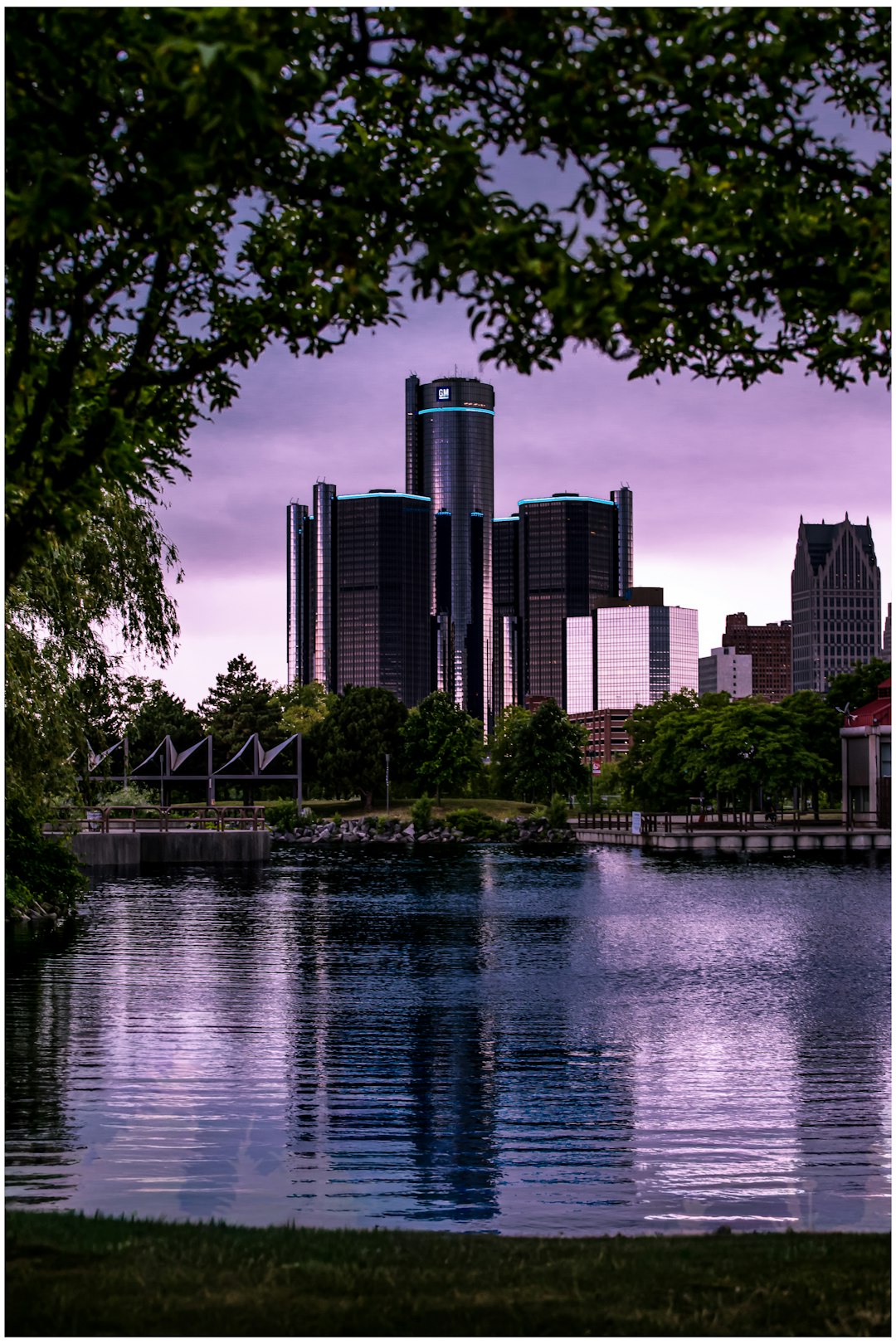
Detroit, Michigan is known above all for building the American car industry. It also gave the world Motown and techno, has teams in all four major pro leagues, and has staged one of the most closely watched urban comebacks in the country. Add square pizza, Coney dogs and some of the finest Art Deco buildings in the U.S., and you have the short answer. (For the city’s beginnings, see how Detroit was founded in 1701.)
| Detroit is known for | Why |
|---|---|
| Cars | Ford, GM and Chrysler made it the “Motor City” |
| Motown and techno | Two sounds born here that changed popular music |
| Sports | The Lions, Tigers, Red Wings and Pistons, with 22 league titles between them |
| Food | Detroit-style pizza and the Coney dog |
| Art and architecture | Diego Rivera’s murals and Art Deco landmarks |
| The comeback | From the largest city bankruptcy in U.S. history to steady growth |
Here’s the story behind each one.
Table of Contents
Cars: Why Detroit Is the Motor City
Henry Ford built his first automobile in Detroit in 1896. In 1913, he introduced the moving assembly line at his Highland Park plant, in a small city surrounded by Detroit. Cars stopped being hand-built luxuries and started rolling off the line fast enough for working families to buy them. Dozens of carmakers sprang up across the region. The industry eventually consolidated into the Big Three: Ford, General Motors and Chrysler.
That’s where the nicknames “Motor City” and “Automobile Capital of the World” come from. “Motown” is a contraction of Motor Town.
The factories mattered just as much in wartime. On December 29, 1940, President Franklin D. Roosevelt called on America to become the “Arsenal of Democracy,” and Detroit took the phrase literally. According to the Detroit Historical Society, the region produced half of all U.S. tanks and 91% of Army helmets. By the summer of 1944, Ford’s Willow Run plant was finishing one B-24 bomber every hour.
Cars still shape the city’s identity today. The Detroit Auto Show remains one of the industry’s major events, and the region is a center for electric and self-driving vehicle research. For the latest, see our roundup of what’s happening in the Detroit auto industry.
The car industry also gave Detroit most of its nicknames. Here are the ones you’ll hear most:
| Nickname | Where it comes from |
|---|---|
| Motor City | Detroit’s role as the center of the American auto industry |
| Motown | Short for Motor Town, and later the name of Berry Gordy’s record label |
| Arsenal of Democracy | The city’s massive war production during World War II |
| Hockeytown | The Red Wings and the city’s devoted hockey fans |
| City of Champions | The 1930s, when three Detroit teams held titles at once |
Music: Motown, Techno and the Detroit Sound
On January 12, 1959, Berry Gordy Jr. borrowed $800 from his family and started the record label that became Motown. He bought a house on West Grand Boulevard, turned the photo studio into a recording room, and hung a sign out front reading “Hitsville U.S.A.”
What came out of that building is hard to overstate. Stevie Wonder, Smokey Robinson and the Miracles, the Supremes, Marvin Gaye, the Temptations and the Four Tops all recorded for Motown. Between 1961 and 1971, the label produced 110 top-ten hits. Motown moved its headquarters to Los Angeles in 1972, but the original house is now the Motown Museum, one of the city’s best-loved landmarks.
Detroit’s second musical gift arrived in the mid-1980s. Juan Atkins, Derrick May and Kevin Saunderson, three friends from suburban Belleville known as the Belleville Three, blended Kraftwerk’s machine sounds with funk and created techno. The genre went global, and Detroit still celebrates it every Memorial Day weekend at the Movement festival in Hart Plaza.
The list doesn’t stop there. Aretha Franklin grew up singing gospel in her father’s Detroit church. The MC5 and the Stooges laid the groundwork for punk, the White Stripes revived garage rock, and Eminem and J Dilla put Detroit on the hip-hop map.
Sports: Four Teams, 22 Titles and Hockeytown
Detroit is one of about a dozen U.S. metro areas with teams in the NFL, MLB, NHL and NBA, and all four of its teams play downtown. Between them they have won 22 league championships:
- Red Wings (NHL): 11 Stanley Cups, the most of any American team. The last came in 2008. The run of four Cups between 1997 and 2008 cemented the city’s “Hockeytown” nickname.
- Tigers (MLB): 4 World Series titles (1935, 1945, 1968, 1984).
- Pistons (NBA): 3 championships (1989, 1990, 2004).
- Lions (NFL): 4 NFL championships (1935, 1952, 1953, 1957), all before the Super Bowl era.
In the mid-1930s, Detroit went on a run that earned it the title “City of Champions.” For several months in 1936, the Lions, Tigers and Red Wings all held championships at the same time.
Fan passion hasn’t faded. When Detroit hosted the 2024 NFL Draft, about 775,000 people attended, a league record at the time. Pittsburgh passed that mark in 2026, but the turnout showed how much the city’s sports culture means to locals.
Detroit’s famous names go beyond its teams and its musicians, too. Boxer Joe Louis, world heavyweight champion from 1937 to 1949, grew up in Detroit, and civil rights icon Rosa Parks made the city her home from 1957 until she died in 2005.
The Comeback Story: From Bankruptcy to Growth
For decades, Detroit was the national shorthand for urban decline. The population fell steadily from its 1950s peak as jobs and residents left for the suburbs. On July 18, 2013, the city filed for bankruptcy with roughly $18 billion in debt. It’s still the largest municipal bankruptcy in U.S. history.
What happened next is the part of the story people outside Michigan often miss. Detroit exited bankruptcy in December 2014 after cutting about $7 billion in debt. Since then, the city has posted a string of balanced budgets and rebuilt its reserves. The federal court formally closed the case on May 19, 2026, ending nearly 13 years of oversight.
The people are coming back too. In 2024, Census estimates showed Detroit’s population growing for the first time since 1957. The city has reported growth each year since and now ranks as the 26th largest city in the country.
You can see the change on the ground. The Detroit Riverwalk has turned old industrial waterfront into one of the country’s best urban parks. On July 27, 2026, the Gordie Howe International Bridge opened to traffic between Detroit and Windsor. Its 2,800-foot main span is the longest of any cable-stayed bridge in North America.
The recovery isn’t finished, and it hasn’t reached every neighborhood equally. Many longtime residents say downtown has moved faster than the blocks they live on. But the Detroit of 2026 looks very different from the one that made headlines in 2013.
Food, Art and Landmarks Detroit Is Famous For
Detroit’s most famous dish has roots in the auto industry. In 1946, Gus Guerra at Buddy’s Rendezvous on the east side baked a square pizza in a steel pan borrowed from a local auto plant. The result had a thick, airy crust, cheese caramelized at the edges, and sauce ladled on top. Our guide to Detroit-style pizza explains what makes it different and how it tastes.
The Coney dog is just as local: a natural-casing hot dog topped with beanless chili, mustard and onions. American Coney Island and Lafayette Coney Island sit side by side downtown and have been feuding for generations. Wash it down with a Faygo or a Vernors ginger ale, with a bag of Better Made chips on the side.
For art, the Detroit Institute of Arts holds Diego Rivera’s Detroit Industry murals. Rivera painted the 27 panels in 1932 and 1933, and they’re now a National Historic Landmark. Architecture fans come for the Guardian and Fisher buildings, two of the country’s great Art Deco skyscrapers. Other standbys include the Fox Theatre, Eastern Market on Saturday mornings and Belle Isle, the island park in the Detroit River. Planning a visit? Start with our list of the best things to do in Detroit for first-time visitors.
What Detroit Is Known For, in a Nutshell
Cars, music, sports and grit tend to get listed as separate things, but in Detroit they’re the same story. Factory jobs drew the families whose kids made Motown, auto-plant pans made the pizza, and a city that was counted out more than once kept coming back. For more about what’s happening here this week, follow Detroit Weekly News for weekend guides, game previews and local history.
FAQs
Why is Detroit called the Motor City?
The Detroit area is where Henry Ford built his first car and later perfected mass production. Ford, General Motors, and Chrysler all grew up in the region, which made Detroit the center of the American auto industry for most of the 20th century. “Motown” is short for Motor Town.
What food is Detroit known for?
Detroit-style pizza and the Coney dog. The pizza is square, with a crispy, cheesy edge and sauce on top. The Coney is a hot dog with beanless chili, mustard, and onions. Faygo, Vernors, and Better Made chips are local favorites too.
What time zone is Detroit in?
Detroit is on Eastern Time, the same as New York. It switches between Eastern Standard Time (EST) in winter and Eastern Daylight Time (EDT) during daylight saving time.
What is famous in Detroit?
Detroit is most famous for cars (it is the Motor City, home of Ford, GM and Chrysler), Motown and techno music, and its four pro sports teams. Its best-known sights include the Motown Museum, the Diego Rivera murals at the Detroit Institute of Arts, the Detroit Riverwalk, Belle Isle and Eastern Market. Detroit-style pizza and the Coney dog are its most famous foods.
Leave a Reply